
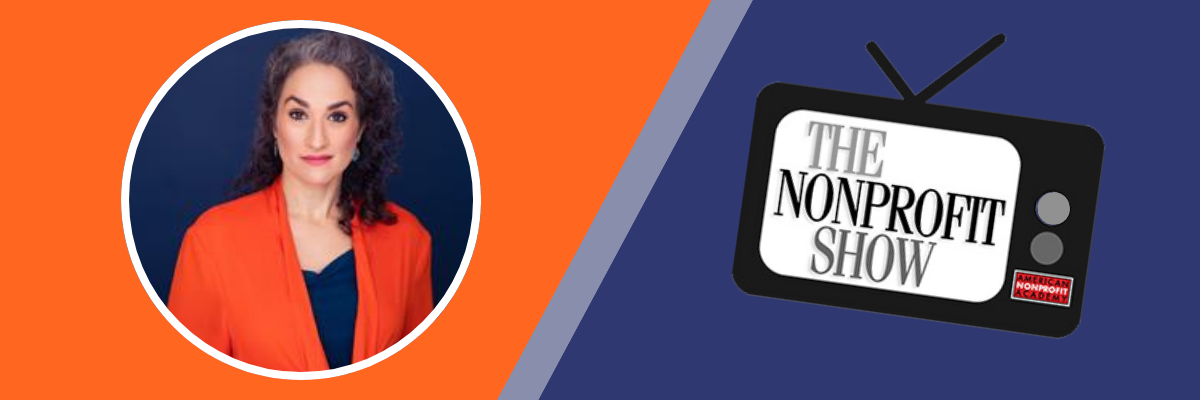
How to Record In-Kind Donations—Without Costly Mistakes! Featuring Justine Townsend
Posted On: September 18, 2026
In-kind donations can play a significant role in supporting a nonprofit’s mission, but they can also create accounting challenges. From donated office space and program supplies to professional services and marketing support, noncash contributions often represent resources an organization would otherwise need to purchase. Recording them accurately helps paint a clearer picture of both the support received and the true cost of delivering programs and services.
On this episode of The Nonprofit Show, Justine Townsend, Manager at YPTC, explored how nonprofits can properly value, document, and report in-kind contributions while maintaining accurate financial records.
Determining fair market value is often the most complex part of the process. Some contributions, such as donated food, may have established valuation guidelines. Others, including office space or specialized services, can require additional research and professional judgment. Justine shared an example of an advertising donation that was initially valued at nearly $1 million, a figure that would have almost doubled the organization’s reported annual revenue before the valuation method was carefully reviewed and adjusted.
“The finances are just our story told in a different way,” Justine explained.
Accurate in-kind reporting supports far more than audit preparation and Form 990 submission. It can strengthen budgeting, improve financial planning, provide a clearer understanding of program costs, and help organizations communicate their impact to donors and stakeholders.
Justine also highlighted a common operational challenge. Development teams often secure in-kind donations without involving finance early in the process. When information is shared late, or not at all, organizations may miss important reporting requirements. A well-defined gift acceptance policy can help establish what types of contributions will be accepted, who approves unusual gifts, when additional documentation is needed, and whether donated property can be effectively used or sold.
Volunteer support deserves attention as well. While volunteer services are not always recorded in the financial statements, tracking volunteer hours can provide valuable information for funders, audits, and organizational reporting. It also helps nonprofits demonstrate the level of community engagement behind their mission.
As Justine noted, in-kind contributions help organizations tell a broader story about the community support that makes their work possible. They offer insight into the people, businesses, and volunteers who invest their time, expertise, and resources to help nonprofits achieve their goals.
00:00:00 Why In-Kind Donations Really Count
00:02:13 What Qualifies as an In-Kind Donation?
00:04:00 When Donated Services Can Be Recorded
00:04:37 Valuing Free or Discounted Office Space
00:06:16 Who Determines Fair Market Value?
00:08:32 Event Discounts, Goods and Professional Services
00:10:21 Reporting, Stewardship and Form 990
00:13:34 Fixing the Finance–Development Disconnect
00:14:43 Tracking Volunteer Hours and Their Value
00:17:19 Valuation Mistakes and Gift Acceptance Policies
00:22:53 The Cost of Not Recording In-Kind Gifts
00:25:14 What Belongs on the Donor Receipt
How to Record In-Kind Donations—Without Costly Mistakes! from American Nonprofit Academy on Vimeo